- Mon - Fri: 09:00 - 17:30

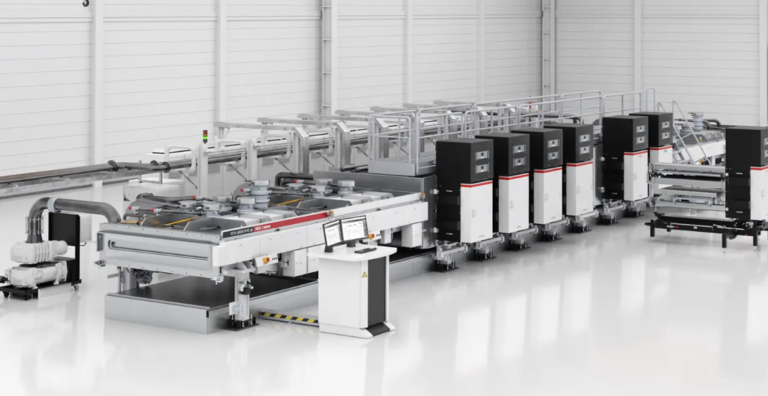
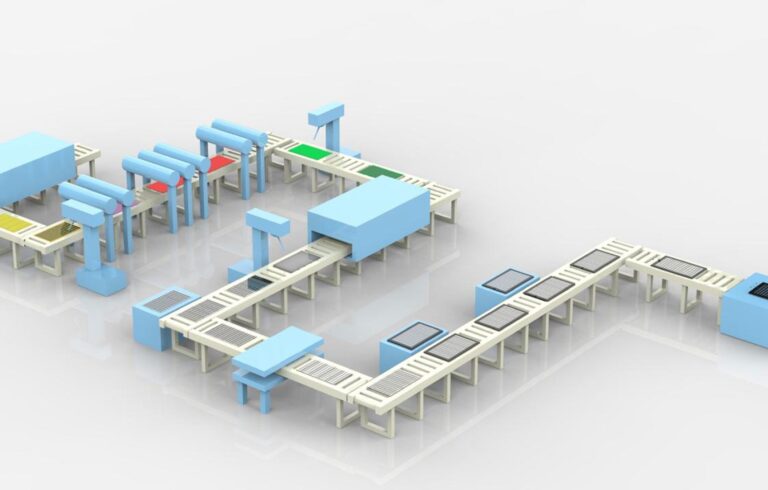
We have the world’s first large-scale production line for silicon-based perovskite tandem solar cells
The climate crisis has made the clean energy transition a global imperative. Our perovskite-on-silicon solar cell delivers high efficiency at a low cost – essential for solar to replace fossil fuels and meet growing energy demand.
Our perovskite solar cell technology is designed to enhance the existing photovoltaic industry. When built on top of conventional silicon solar cells in a tandem configuration, the resulting perovskite-on-silicon solar cells are at least 20% more efficient. This enhances the performance of silicon solar cells on the same footprint, enabling cost reductions that transform the economics of silicon solar energy generation.
Our dedicated perovskite photovoltaic research and development team is continuously pushing the boundaries to further develop the composition and cell architecture of our perovskite-on-silicon tandem solar cell material.
Our low-cost, highly efficient solar photovoltaic technology integrates with standard silicon solar cells to dramatically improve their performance. Built into solar panels, our tandem solar cells deliver more power per square metre – critical for enabling more affordable clean energy, accelerating the adoption of solar, and addressing the climate crisis.
Our low-cost, highly efficient solar photovoltaic technology integrates with standard silicon solar cells to dramatically improve their performance. Built into solar panels, our tandem solar cells deliver more power per square metre – critical for enabling more affordable clean energy, accelerating the adoption of solar, and addressing the climate crisis.
Diossol
Diossol
Perovskite solar cells are made of relatively new semiconductors: metal halide perovskites.
Perovskite solar cells are made of relatively new semiconductors: metal halide perovskites. They have emerged as one of the most promising photovoltaic technologies because of their potentially higher efficiency and lower cost than Si ones. The one remaining challenge is the long-term stability. The state-of-the-art cells are only stable for hundreds of hours. Ion migration as well as chemical reactions are key processes causing degradation. All the above processes are triggered and accelerated by the presence of intrinsic defects in the perovskite and extrinsic device operation stress, such as, thermal stress, light excitation and electrical bias.
Diossol
In our lab, we use computer simulations, combining quantum methods (Density Functional Theory) with classical methods (Molecular Dynamics), to study the complex interplay of the chemistry and physics in this fascinating material. As highlights of our recent progress, we have understood the mechanisms of a major stability issue phase segregation and discovered an effective additive fluoride for effective defect passivation. Both have opened possibilities for designing new perovskite compositions for extended service life of perovskite solar cells. Our future challenges include the development of efficient multiscale methods for understanding the chemical and physical processes in the materials and devices at longer length and larger time scales. With these new tools, we will be able to gain thorough understanding of several instability problems and efficiently design ideal processing parameters for the best compositions for ultimate stable solar cells.
Diossol